Most people message asking the same thing.
“How much for Stage 1?”
Or:
“How much for Stage 2?”
The problem is that most people do not really know what they are asking for yet.
That is not an insult. It is just the reality of tuning. From the outside, it looks like someone plugs into the car, flashes a file, and suddenly the car makes more power.
Sometimes, that is basically what happens.
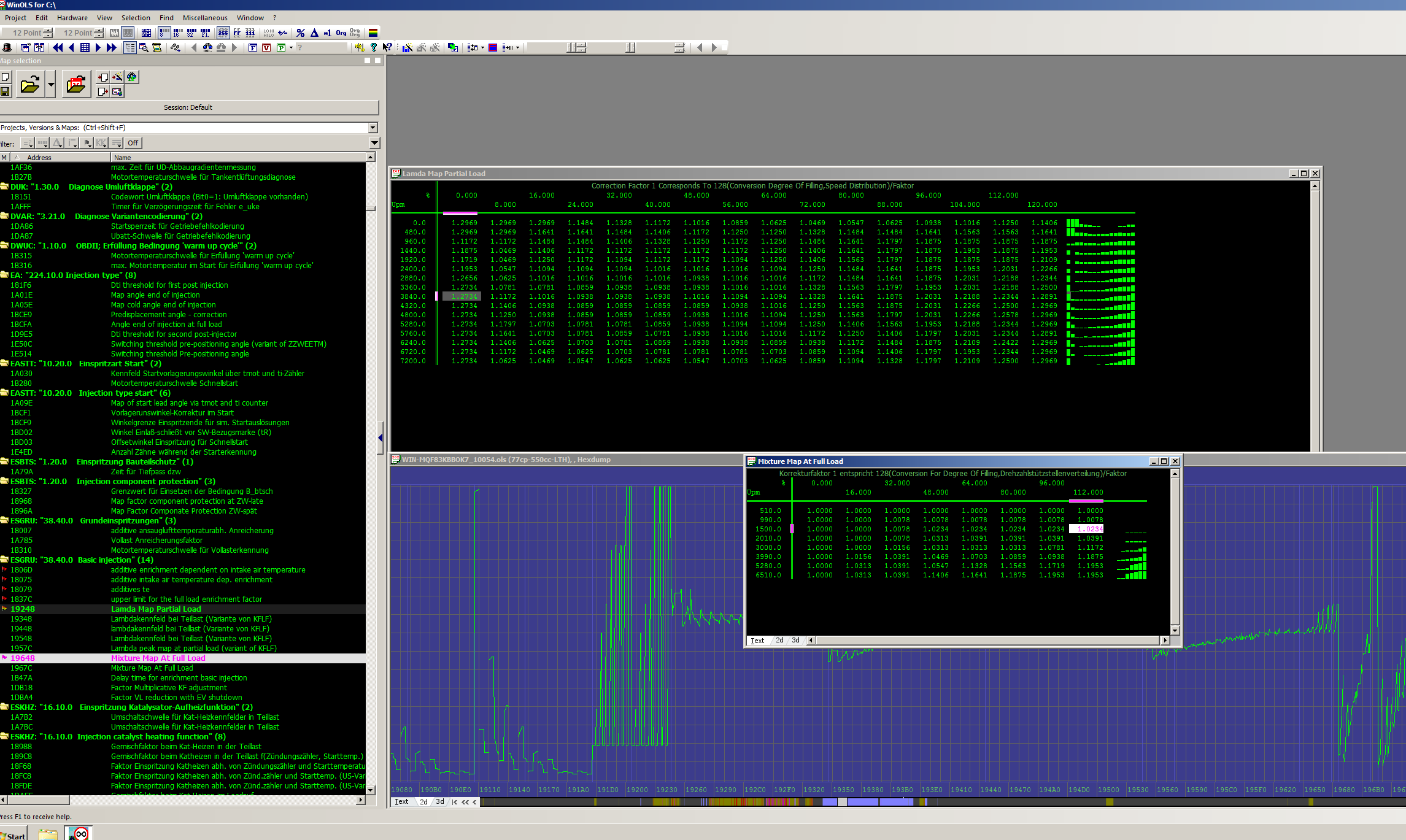
But proper ECU calibration, especially on modern European cars, is a lot more involved than that.
If you own a Mercedes, BMW, AMG, Audi, Porsche, Volkswagen, or another European performance car in Phuket, this page is here to explain what actually goes into tuning a car properly before you compare everything only by price.
Because a cheap file flash, an off-the-shelf tune, a piggyback system, and a proper custom calibration are not the same thing.
They might all be called “a tune”.
They are not the same product.
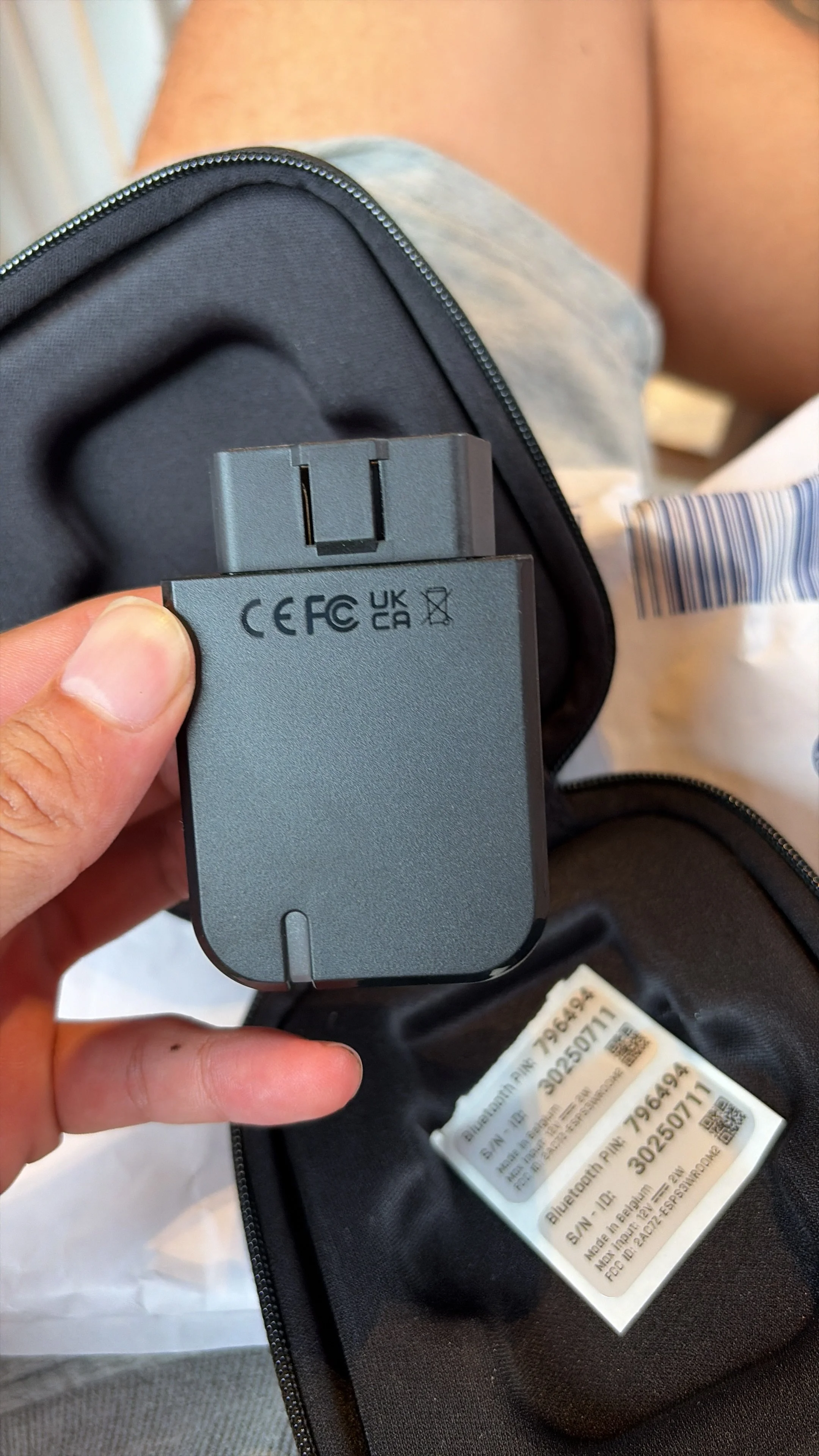
Remote flash module
We send this device to you, you read your ecu, we then calibrate your stock file and you can flash the tuned file back to the vehicle.
What “A Tune” Actually Means
When someone says they want to tune their car, that can mean a few different things.
It could mean a simple piggyback system like a RaceChip or JB4.
It could mean an off-the-shelf Stage 1 ECU tune.
It could mean a custom ECU calibration built around that exact car.
On some modern European platforms, it can also mean calibrating more than just the engine ECU. You may need to consider the ECU, the TCU, and in some Mercedes-Benz models, the CPC as well.
These controllers all do different jobs.
The ECU handles the engine calibration.
The TCU controls the transmission behaviour.
The CPC, depending on platform, can influence torque management and how power is actually delivered through the vehicle.
This is where a lot of people misunderstand tuning.
They think they are only buying more boost or more power.
In reality, the proper job is getting the car to make more power while still driving correctly, shifting properly, managing torque properly, and staying within a sensible safety margin.
That is the difference between just making a car faster and actually calibrating it properly.
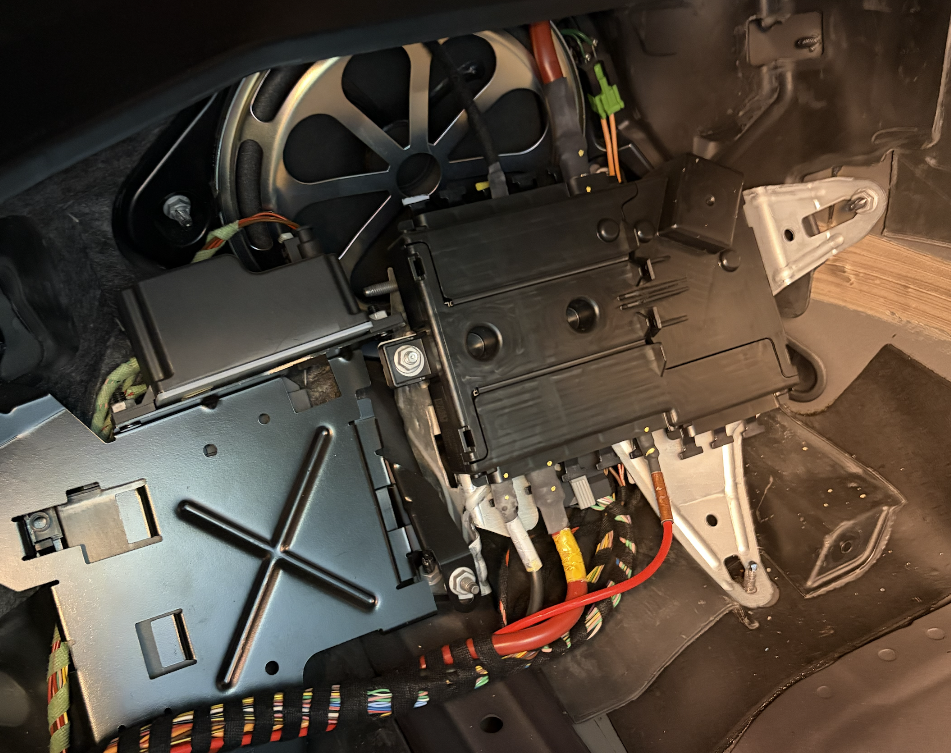
Replacing and installing a CPC module in Mercedes AMG prior to reflashing
Stage 1 Is Not Always The Same Product
Stage 1 usually means the car has no major hardware changes.
You are working with the stock ECU and the existing hardware on the car.
For example, my own Mercedes C43 AMG is a good way to explain this.
Before I understood tuning properly, I would have looked at Stage 1 as a simple thing. Flash the car, increase the power, done.
Now, after actually understanding how these cars work, I see it differently.
A Stage 1 calibration can be approached in two main ways.
The first option is an off-the-shelf tune.
This is a pre-developed calibration that is designed to work safely across many cars with a similar setup. For a lot of people, this is enough. If you want a simple power increase, do not want to spend time on dyno work, and are not chasing every last bit of performance, an off-the-shelf tune can make sense.
It is not automatically bad.
It is just not the same as a custom calibration.
The second option is a custom ECU calibration.
This is where the file is built or adjusted for your specific car, your specific hardware, your fuel, your atmospheric conditions, and the data coming from the car itself.
That is a different level of work.
You are not just asking, “Can this car make more power?”
You are asking:
“How does this specific car respond to the calibration?”
That is where the time goes.
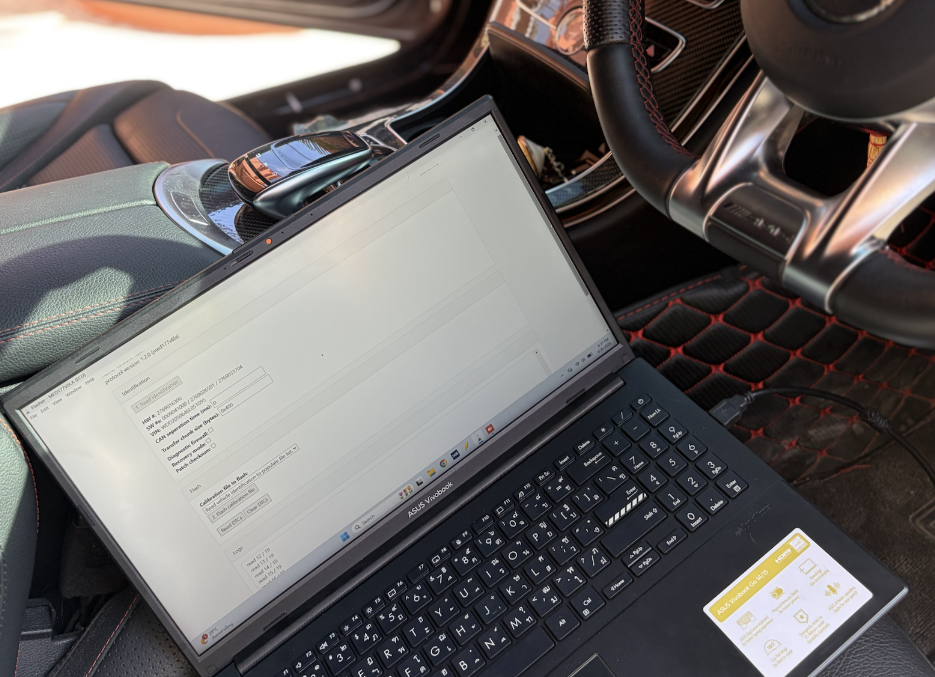
Reflashing an OTS stage 1 file
Why Modern European Cars Need More Than Just An ECU File
On older cars, tuning could be more straightforward.
On modern European cars, there are multiple control systems that all need to agree with each other.
This is especially true on platforms like Mercedes-AMG, BMW M cars, Audi performance models, and other turbocharged European vehicles.
If you increase the ECU output but do not consider the torque limiters, transmission behaviour, or other control modules, the car can become unpleasant to drive.
It might make power in one area but feel strange somewhere else.
It might shift poorly.
It might close throttle.
It might not deliver the torque properly.
It might feel inconsistent.
It might show good numbers once but not behave properly in the real world.
That is why ECU tuning is not always enough.
On some cars, the ECU, TCU, and CPC need to be calibrated to work together.
If the engine is being asked to produce more torque, but the gearbox or another controller is still working around stock limits, the car is not going to behave the way it should.
That is where experience matters.
Not because tuning is magic.
Because you need to understand what each controller is doing, what it is limiting, and how the car responds when you start changing those limits.
How We Actually Calibrate A Car
A proper calibration is not just one file and done.
The process usually starts by reading the existing ECU file.
This matters because we need to know what is currently on the car.
Sometimes the car is stock.
Sometimes it has already been tuned.
Sometimes the previous file is poor.
Sometimes the car has hardware fitted that the calibration does not properly account for.
Before making changes, we need to understand the starting point.
From there, we identify how the ECU can be accessed.
Some cars can be read and written through the OBD port. This is usually faster, cleaner, and does not require removing the ECU from the vehicle.
Other cars are not that simple.
For example, certain BMWs can have DME locks or other restrictions, which means the physical ECU may need to be removed from the car and read on the bench.
That is not just plugging in a random cable.
Bench reading requires the correct interface hardware, correct ECU connection, and an understanding of what you are doing. You are physically connecting to an expensive control unit, reading the data from it, and then writing back to it correctly.
Once the ECU contents are read, the file is analysed and calibrated using professional tools such as WinOLS.
That is where the actual calibration work happens.
Boost control.
Fuelling.
Ignition timing.
Torque modelling.
Limiters.
Load request.
Knock behaviour.
Throttle behaviour.
Transmission interaction.
Safety margins.
All of these things matter.
After the calibration is built, the file is written back to the car.
Then the car needs to be tested.
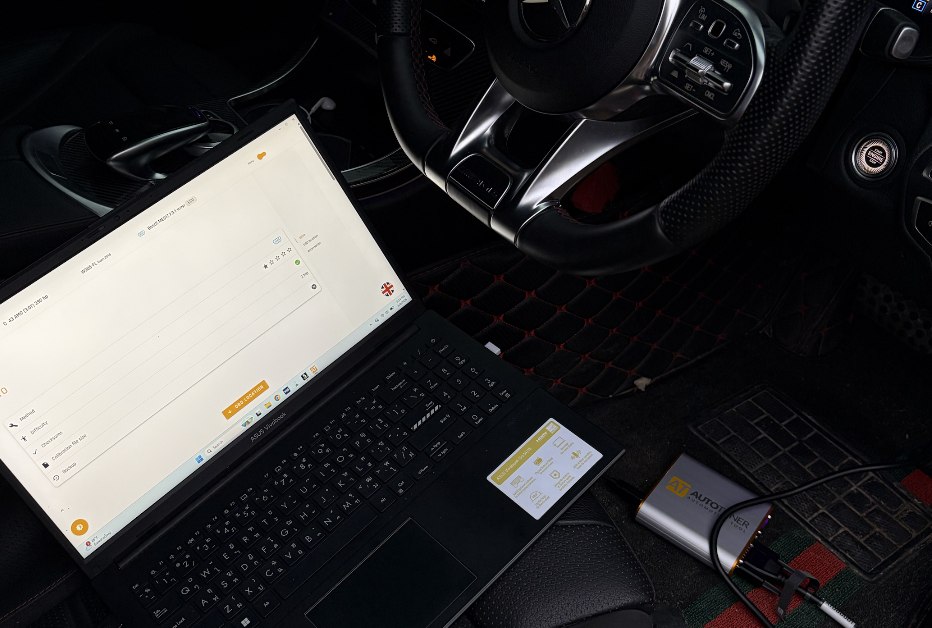
Tuned file write process + data logging with AutoTuner
OBD Read Versus Bench Read
There are two common ways to access the ECU.
The first is through the OBD port.
This is generally the most straightforward method. The car stays assembled, the tool communicates with the ECU through the diagnostic port, and the file can be read or written that way if the ECU allows it.
For many cars, this is safe and efficient.
The second method is a bench read.
This is where the ECU is physically removed from the car and connected directly to professional tuning hardware.
This may be required when the ECU is locked, when OBD access is restricted, or when the platform requires a more direct read.
This is a more involved process.
It requires more care, more time, and the right equipment.
The important thing to understand is that some cars are not a simple OBD flash. If your car needs bench work, that is part of the reason the job costs more.
The work is not just the tune file.
It is the access, the reading process, the equipment, the file development, the writing process, and the testing that comes after.
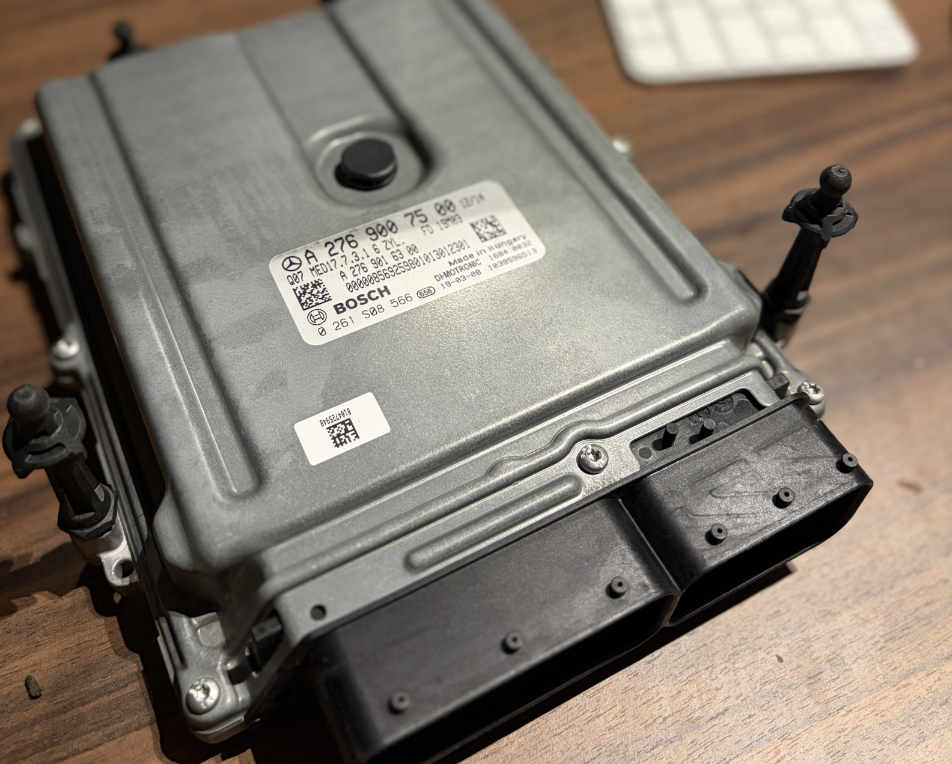
ECU removed ready for bench reading
Why Data Logging And Testing Matter
Once a file is written to the car, the job is not finished.
This is where a lot of cheap tuning falls apart.
A car can accept a file and still not be properly calibrated.
The only way to know what the car is actually doing is to log data and test it.
That can be done on the dyno, on the road, or ideally using both depending on the car and the job.
On the dyno, we can safely load the car, check power delivery, monitor behaviour, and compare changes between revisions.
On the road, we can check how the car behaves in real driving conditions.
Both matter.
A car can look fine in one situation and feel wrong in another.
When we data log, we are looking at how the car responds.
Boost.
Fuelling.
Ignition timing.
Knock behaviour.
Torque delivery.
Throttle closure.
Gear changes.
Air temperature.
Load.
Drivability.
The first file is rarely the final file.
Usually, you make changes, flash the car, test it, analyse the data, then make further changes.
That process repeats until the calibration is actually dialled in.
That is the part most customers never see.
They only see the end result.
But that is where the value is.
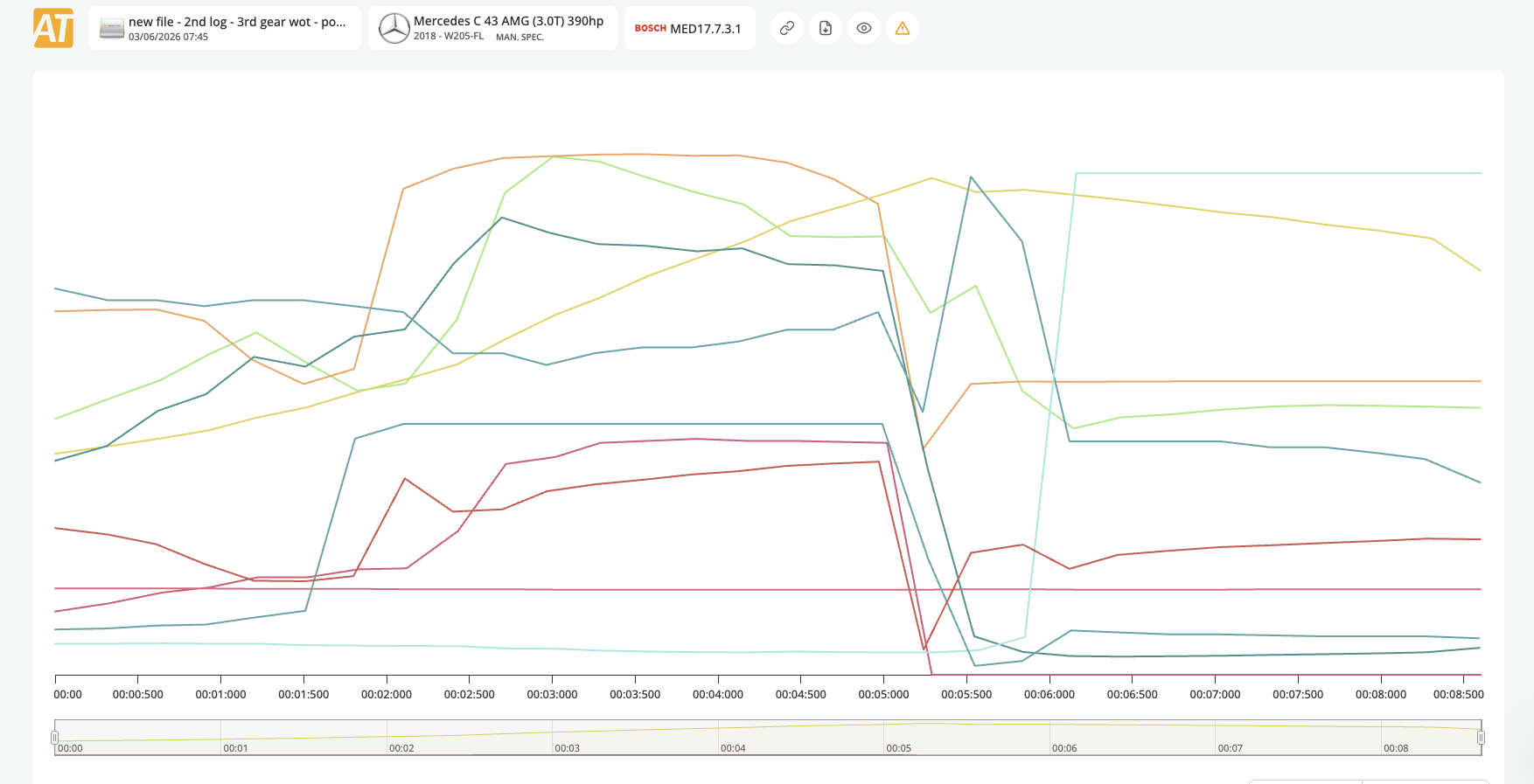
Road testing a tune iteration with AutoTuner
Off-The-Shelf Tune Versus Custom Calibration
An off-the-shelf tune can be the right option for some people.
If you want a straightforward power increase, your car is mostly stock, and you do not want to spend extra time on custom dyno or road calibration, this can make sense.
It is usually faster.
It is usually more affordable.
It will work well in many normal situations.
But it will not be as specific as a custom calibration.
A custom ECU calibration is for someone who wants the tune built around their actual car.
Not just the same model.
Their car.
Their fuel.
Their hardware.
Their atmospheric conditions.
Their intake setup.
Their exhaust setup.
Their downpipes.
Their gearbox behaviour.
Their torque limits.
Their goals.
That is why custom calibration costs more.
It takes more time.
It requires more testing.
It requires more revisions.
It requires more experience.
It is not just a file being sold.
It is a process.
Piggyback Systems Like RaceChip Or JB4
A piggyback system can also make sense for some people.
Something like RaceChip or JB4 works by intercepting and modifying signals before they reach the stock ECU.
It can be a fast and budget-friendly way to get a power increase without fully recalibrating the factory ECU.
For some customers, that is enough.
But again, it is not the same as custom ECU calibration.
A piggyback does not give the same level of control over the factory calibration strategy.
It does not mean it is useless.
It just means it belongs in a different category.
If you want a quick, lower-cost option, a piggyback may suit you.
If you want the car properly calibrated around your actual setup, then custom ECU tuning is the better path.
Stage 2 And Stage 3 Need More Care
Stage 2 usually means the car has supporting hardware changes.
That could be downpipes.
An exhaust system.
An intake.
Other bolt-on modifications.
Once you start changing hardware, the stock calibration becomes less relevant.
The car is now moving away from the conditions it was originally calibrated for.
That means the tune needs to account for the hardware.
Stage 3 takes this further.
Bigger turbos.
Larger intakes.
Fuel system changes.
More serious hardware.
At that point, calibration becomes even more important.
The further you move away from the factory setup, the less room there is for lazy tuning.
A car with changed turbos, different intake flow, different exhaust flow, or different fuelling needs proper calibration.
Otherwise you are asking the stock control strategy to manage a car that no longer behaves like stock.
That is where things can go wrong.
-
If you are comparing tuning only by price, you are probably comparing the wrong thing.
A cheap flash tune, an off-the-shelf tune, a piggyback system, and a custom calibration are not the same product.
They can all increase power.
But they are not the same process.
When you pay for proper ECU tuning, you are not only paying for power.
You are paying for:
Correct ECU access
Reading the existing file
Checking what is already on the car
Understanding the platform
Calibration knowledge
Professional tools
File development
ECU, TCU, and CPC understanding where required
Data logging
Dyno testing where required
Road testing
Revisions
Drivability checks
Safety margins
Experience
That is why one tune can cost more than another.
It is not because the expensive one has a more magical file.
It is because the work behind it is different.
More power is easy to promise.
Clean, reliable, repeatable power that drives properly is the actual skill.
-
The problem is not that every cheap tune is bad.
The problem is that most customers do not know what they are actually buying.
Someone can say “Stage 1” and it sounds the same as everyone else saying “Stage 1”.
But one shop might be flashing a generic file with no real testing.
Another might be checking the existing calibration, understanding the ECU, adjusting the file properly, logging the car, revising the file, and making sure the car drives correctly.
Both might be called Stage 1.
They are not the same job.
This is why we try to be clear with customers before they book.
If you want a simple 80% solution and do not want to overthink it, an off-the-shelf calibration may suit you.
If you are budget conscious and want something quick, a piggyback system may suit you.
If you want the car calibrated properly around your actual setup, then custom calibration is the better route.
The wrong thing to do is pretend all three are the same.
They are not.
-
We focus on European performance cars because they require a proper understanding of how the control systems work.
Mercedes-AMG, BMW, Audi, Porsche, Volkswagen, and other European platforms are not cars you should guess on.
Our team has over 15 years of tuning experience, with our head tuner having over 30 years of experience.
A lot of our work is based around WinOLS, ECU reverse engineering, and understanding how to correctly calibrate the factory computers in European vehicles.
That means we are not just increasing boost and hoping for the best.
We look at how the car is actually controlled.
We look at the file.
We look at the data.
We look at what the car is doing on the dyno and on the road.
We look at how the engine and transmission are working together.
Then we make decisions based on that.
That is the difference between guessing and calibrating.
Which Tuning Method Is Right For You?
If you want a simple power increase on a mostly stock car, an off-the-shelf Stage 1 tune may be enough.
If you want something fast, simple, and more budget-friendly, a piggyback system like RaceChip or JB4 may be worth considering.
If you want your car calibrated properly around your exact setup, fuel, hardware, and conditions, custom ECU calibration is the correct path.
If your car has downpipes, intake, exhaust, turbo upgrades, or other hardware changes, then the calibration needs to be approached more carefully.
If you are driving a modern Mercedes platform, you may also need to consider the TCU and CPC, not just the ECU.
The right option depends on what you actually want from the car.
Not just the power number.
The real question is:
Do you want a quick increase in power, or do you want the car properly calibrated?